Neuroscience Research Solutions
In life science research, establishing a smooth and efficient workflow is essential to drive progress from basic research to drug discovery and therapeutic development. Our products for neuroscience research support three critical stages: in-vitro modelling, characterisation, and analysis - addressing the diverse needs of scientists in various disease research areas, including gliomas and neurodegenerative disorders.
In-vitro models
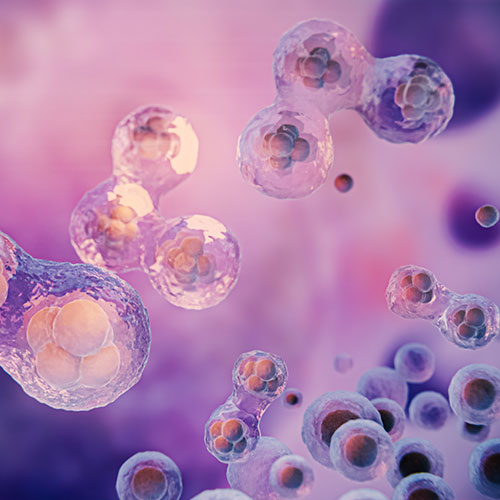
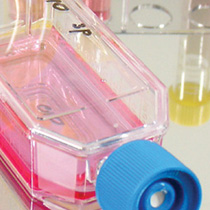
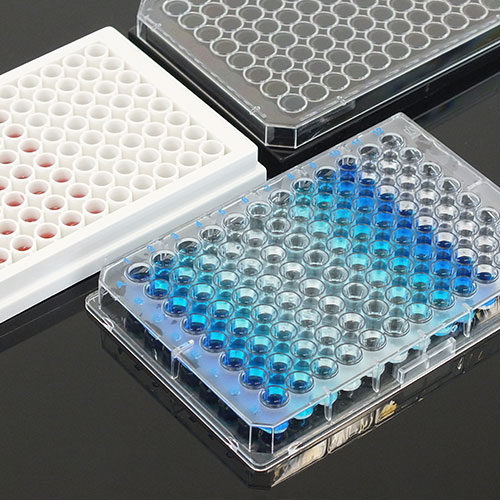
iPSCs and MSCs are cultured under controlled conditions using optimised media and growth factors to maintain differentiation potential and proliferation.
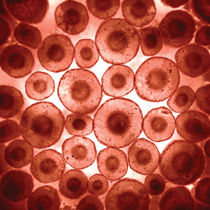
For iPSCs, small molecules like Y-27632 and cytokines such as bFGF support their undifferentiated state, and additional factors like CHIR99021 and activin A induce differentiation into organ-specific cells and organoid formation, supported by specialist low-adhesion culture ware.
For MSCs, cytokines maintain their characteristics, and both MSCs and their extracellular vesicles (EVs), including exosomes, are used in cell therapy and drug discovery.

Characterisation
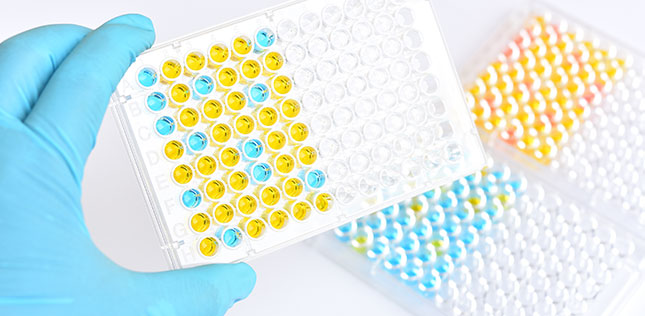
Differentiated cells and organoids are characterised by ELISA, flow cytometry, and antibody-based assays to assess marker expression, purity, and function.
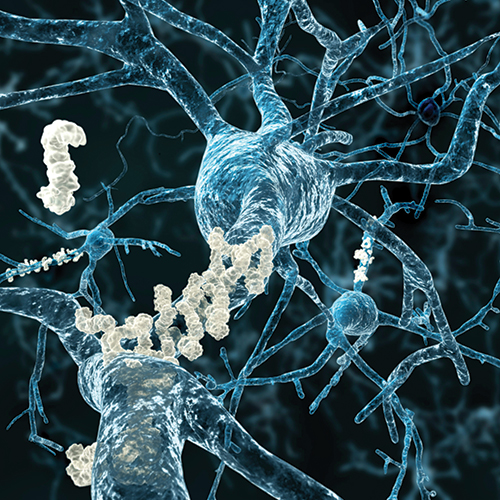
To support research in neurodegenerative diseases and gliomas, we provide antibodies and ELISA kits for biomarkers like β-amyloid (Aβ), Tau, BDNF, and α-synuclein.
Analysis
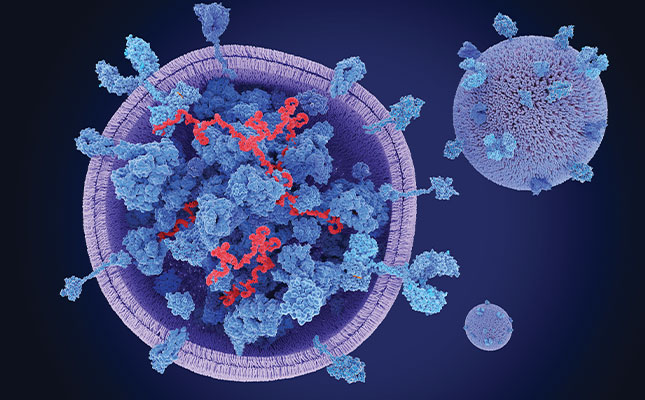
Extracellular vesicles (EVs) secreted by the cells are utilised as tools for intercellular communication.
RNA and protein analyses of isolated EVs are performed to understand cell signalling, molecular content, and functional roles.
For these analyses, antibodies, flow cytometry kits and ELISA kits targeting tetraspanins such as CD9, CD63, and CD81, as well as RNA extraction and quantification kits specifically designed for purified EVs, are commonly used.