
Life Science Manufacturing and QC Products
During the manufacturing of life science and medical products, rigorous quality control is critical, as the safety, consistency and efficacy of a product will often have direct effects on the health and wellbeing of patients. Detecting bacterial or fungal contaminants, or residual host DNA, is a key aspect of this process and aims to minimise risk, particularly in parenteral treatments.
DNA Extractor® Kit
Escherichia coli and CHO (Chinese Hamster Ovary) cells are frequently used as host cells for the expression of antibodies or proteins in the biomanufacturing process. Residual DNA from these host cells has the potential to trigger tumour formation, and therefore it is important to test and control for as a process-related impurity.
This is reflected by guidelines from the World Health Organisation (WHO), United States Food and Drug Administration (USFDA) and European Pharmacopoeia (Ph. Eur.), indicating that the final amount of host DNA should not be higher than 0.1-10ng/dose. The DNA Extractor Kit from FUJIFILM Wako uses the sodium iodide method (as described in the United States Pharmacopeia 42-NF37, <509> “Residual DNA Testing”) to extract even trace levels of residual DNA from host cells such as CHO cells, E.coli and yeast for further analysis.
Can recover DNA in quantities as little as 100-1,000 fg with high yield
Rapid process requiring only 60-90 minutes from start to finish
All processes can be completed in the same tube
Sodium iodide method is US Pharmacopoeia adopted
Protocol available for high-protein samples
QCdetect™ Residual DNA Detection for CHO or E.coli
QCdetect Residual DNA Detection Kits can be used directly with the DNA Extractor Kit to quantify extracted DNA for biomanufacturing applications. The two QCdetect kits are designed to quantify residual host genomic DNA (gDNA) from either CHO cells or E.coli using qPCR.
Limit of Quantitation ≥ 0.3 pg/test (E.coli) or ≥ 0.003 pg/test (CHO)
Produces calibration curve with high linearity
High reproducibility and low inter-assay variability

RiboNAT™ Rapid Sterility Testing
RiboNAT™ is the ideal solution for accelerating your QC process, ensuring treatments can be delivered to patients efficiently and safely.
The RiboNAT rapid sterility testing method delivers results in just 7 hours, compared to the standard 14-day compendial test method. Reducing quality control turnaround time for short shelf-life treatments is crucial for a wide range of pharmaceuticals and novel cell therapies.
RiboNAT targets ribosomal RNA (rRNA) in a wide range of bacteria and fungi, ensuring high sensitivity and accuracy compared to the gDNA typical of standard NAT testing, which is present in smaller relative quantities in microorganisms. Furthermore, RiboNAT avoids false positives by inactivating and degrading residual DNA, ensuring a seamless sterility testing process.

Ideal for drugs and therapies with short shelf-lives
Results in as little as 7 hours
High accuracy and sensitivity
Minimises false positives
Detects a wide range of bacteria and fungi
Pyrogen Testing
Pyrogens are fever-inducing substances, such as bacterial endotoxins, that can cause a strong inflammatory immune response even in small quantities.
As a result, detection of pyrogenic contamination during development and manufacturing of pharmaceuticals and medical products is crucial to maintain patient safety, particularly as sterility does not guarantee the absence of harmful pyrogens.
Bacterial Endotoxin Testing (BET) uses the Limulus Amoebocyte Lysate (LAL) to detect bacterial endotoxins, using the natural clotting cascade derived from the self-defence mechanism of the Atlantic Horseshoe Crab (Limulus polyphemus).
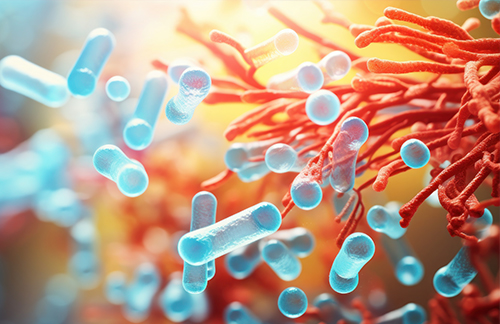
Alpha Laboratories provides a wide range of LAL assays from FUJIFILM Wako Lab Chemicals for pyrogen detection, including the Gel Clot Assay (GCA), Kinetic Turbidimetric Assay (KTA) and Kinetic Colorimetric Assay (KCA), as well as the Silkworm Larvae Plasma (SLP) assay for non-endotoxin pyrogens derived from gram-positive bacteria and fungi.
PYROSTAR Neo+
The PYROSTAR Neo+ is a fully synthetic and recombinant alternative to LAL reagents with no animal-derived components. Neo+ uses the recombinant Cascade Reagent (rCR) method, using all three factors of the clotting cascade to effectively replicate the LAL assay whilst maintaining high sensitivity. Choose PYROSTAR Neo+ to implement wildlife-conscious pyrogen testing into your QC workflow.
High sensitivity and specificity
Flexibility of methodology
Greater control of the testing process
Rapid results
Synthetic wildlife-conscious alternative
GMP-compliant Small Molecules
In the commercial production of regenerative medicines, manufacturers must follow Good Manufacturing Practice (GMP) in order to maintain a high degree of quality assurance, while minimising human error and contamination risk.
Many small molecules play a key role in ES/iPS cell research and development – we offer GMP-compliant versions of some of these products that are well-suited for use as raw materials in the manufacturing process.
These small molecules are manufactured in compliance with ICH-Q7 (GMP for Active Pharmaceutical Ingredients).
Y-27632
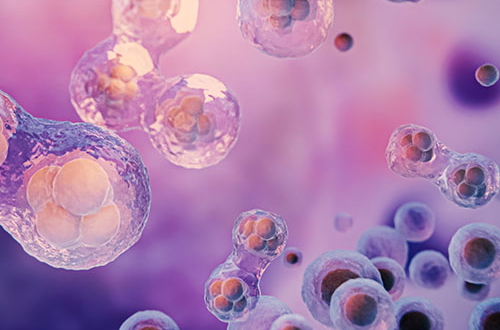
Y-27632 is a selective and potent rho-associated protein kinase (ROCK) inhibitor and is reported to suppress death of human ES/iPS cells at the time of cell dispersion, as well as improving the viability of the cells after cryopreservation. ROCK activity is involved in a variety of cellular processes including apoptosis, migration, proliferation, and differentiation – Y-27632 effectively promotes stem cell survival by inhibiting ROCK.
SB431542
SB431542 is a selective inhibitor of TGF-β superfamily type 1 activin receptor-like kinase (ALK), inhibiting ALK4, 5, and 7. This product stimulates proliferation, differentiation and sheet formation of ES cells-derived endothelial cells and can accelerate reprogramming speed when used with thiazovivin and PD0325901.
CHIR99021
CHIR99021 is a highly selective inhibitor of glycogen synthase kinase 3β (GSK-3β) and can effectively maintain undifferentiated ES cells in combination with PD0325901. CHIR99021 is also reported to induce differentiation into various cell types, including cardiomyocytes, neurons, and multiple renal progenitor cells. Cells induced from human iPS cells using CHIR99021 have been shown to exhibit significantly enhanced efficiency and speed in differentiation toward the target cell types.